
Choose a tattoo machine by the work you plan to do and the complete setup it requires. Style labels such as coil, rotary or pen are only a starting point: before you compare prices or appearance, confirm the exact model's supported needle or cartridge system, power arrangement, handling instructions and service route.
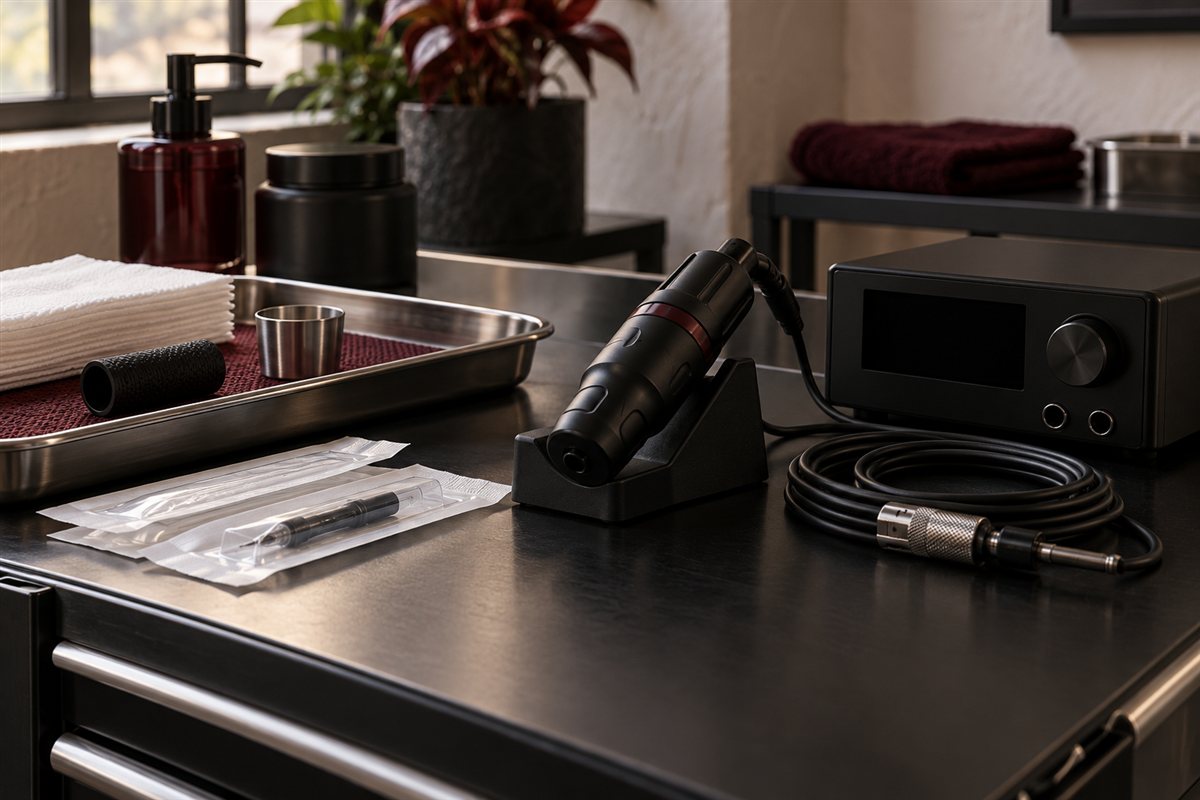
Start with your own short list
Write down the techniques you intend to use, then note what matters to your working routine: machine balance, grip, adjustment options, cable or battery placement, and how the machine is protected and cleaned. These are questions to compare in person or with a supplier; they are not universal performance rankings.
Check the complete model, not the product name
Use the maker's current manual for the exact model. Check:
- supported cartridges, grips, cables and power units
- what is included, and what must be purchased separately
- the maker's instructions for protection, cleaning and maintenance
- warranty coverage, repair arrangements and replacement parts
For example, Cheyenne's HAWK Pen manual names specific compatible cartridges, accessories and power units. That instruction applies to that model; it is a reason to check the manual for the machine you are considering, not a rule for every machine.
Make a purchase decision you can explain
Put the model number at the top of your comparison. Save the manual and record each answer beside its source. If a listing leaves a connection, included part or care instruction unclear, ask the maker or supplier to confirm it in writing before ordering.
Use the UKHSA's infection-prevention guidance for England alongside the relevant council requirements; it provides industry infection-control context, while the maker's manual covers that specific machine. Continue with the equipment list and power supply guide.
Sources & further reading
Sources checked .